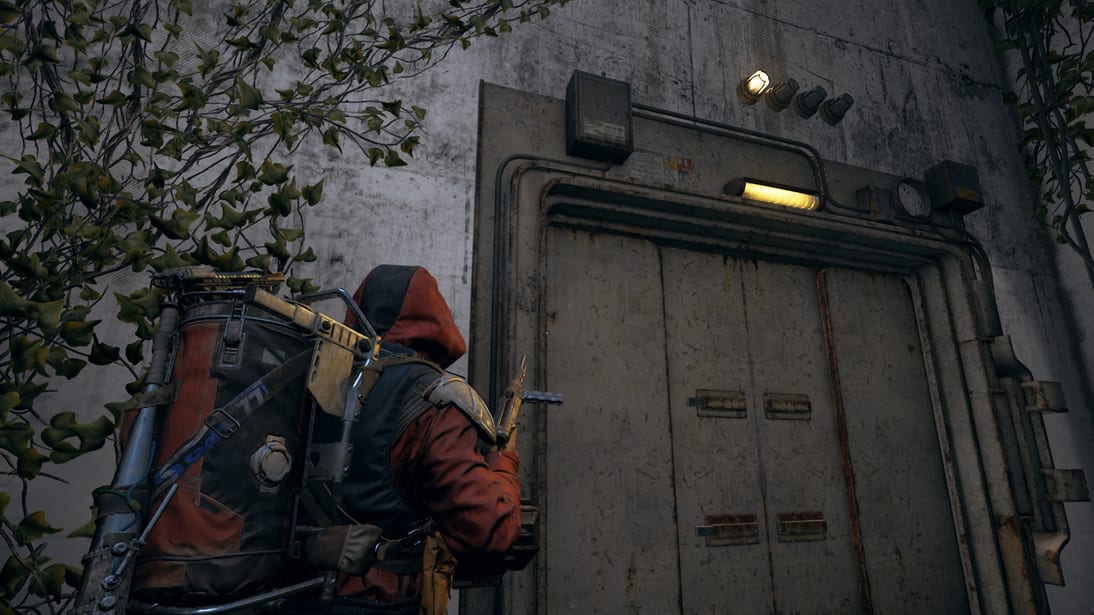
A large building can consume an entire raid if you treat every room as a mandatory stop. The smarter approach is to decide what you need, identify the rooms most likely to help, and leave once the building stops offering enough value.
If your goal is to collect ARC Raiders Items for crafting, quests, or future raids, avoid entering with a vague plan. A clear target makes it easier to ignore containers that do not fit your current needs.
Set a Looting Goal Before Entering
“Find useful loot” is too broad. It encourages unnecessary searches and makes every drawer or locker look worth checking.
Use a more specific target instead:
- Materials for a current crafting project
- Medical supplies for the next raid
- Ammunition or combat-related resources
- Items needed for a quest
- General valuables when your inventory has spare room
The target does not need to be a single item. A category is enough to guide your movement through the building.
Your inventory should also influence the plan. If your bag is nearly full, searching low-priority rooms has little value. You may end up replacing a useful item with something you only picked up because it was available.
Read the Building Before Searching It
Do not rush directly to the nearest container. Spend a few seconds looking at the building’s layout.
Check the following points:
- Where the main entrance and likely exits are located
- Whether the building has more than one floor
- Which rooms are close to your planned route
- Whether the interior contains narrow hallways or open sightlines
- Which areas could leave you exposed while looting
The building’s function can also provide a rough idea of what may be inside. Residential areas are more likely to contain household containers, while workshops, storage rooms, offices, and utility spaces can offer different types of materials.
This is only a way to narrow your search. It does not guarantee a specific item or fixed loot result.
Search by Container Group, Not by Room Count
A room with one unrelated container may be less useful than a nearby room with several containers that match your target.
Look for clusters rather than isolated objects. A small group of cabinets, bags, drawers, or boxes can justify a short detour. A single container at the end of a long corridor usually needs a stronger reason.
| Situation | Sensible choice |
| Several relevant containers are close to your route | Search the area |
| One container is far from your current path | Skip it unless the item is a priority |
| A nearby room contains unrelated loot | Check only if your inventory has room |
| You have already found the item you needed | Reassess before searching more rooms |
| The route toward the exit is becoming unsafe | Stop searching and leave |
This method reduces wasted movement. You are not trying to search the fewest rooms at any cost. You are trying to get useful loot without creating unnecessary exposure.
Use a Simple Building Route
A practical route usually has three parts:
- An entry room or nearby area
- One promising section deeper inside
- A path toward an exit
The route can change if you hear combat, spot danger, or find a valuable item early. The purpose is to prevent random movement between rooms.
Try to avoid crossing the same hallway several times. If you enter a side room, decide whether it connects naturally to your next destination. If it does not, the search may not be worth the time.
Landmarks can help you remember where you have already been. A stairwell, broken doorway, large window, or unusual piece of furniture can serve as a visual reference. This is faster than repeatedly checking every room because you cannot remember which containers were opened.
Make Safety Part of the Search
Looting leaves you focused on the container rather than the surrounding area. Before opening something, check the room and the nearest approach.
Look at:
- Doorways behind you
- Open windows
- Staircases
- Corners near the ceiling
- Hallways leading into the room
- Possible cover if another player or ARC unit arrives
Indoor threats may be harder to notice because walls and furniture reduce visibility. A quick scan before each search can prevent a quiet loot run from turning into a bad fight.
Try to loot from a position that gives you a view of the main entrance. If that is not possible, keep the search short and be ready to move.
Sound Should Affect Your Route
A building can be valuable and still be the wrong place to stay. Gunfire, movement, nearby combat, and repeated mechanical sounds can indicate that another player or ARC unit is close.
When the area becomes noisy, reduce your search radius. Check only containers that are directly along your exit route. Do not continue deeper into the building simply because you have already spent time there.
The same rule applies after you find a high-value item. The more valuable your bag becomes, the more expensive a mistake can be. A small amount of extra loot is rarely worth turning a safe departure into a long indoor fight.
Know When a Room Is Not Worth It
A room is usually a poor target when it has several negative factors at once:
- It is far from your current route
- It contains only one uncertain container
- It has limited cover
- It forces you to return through an area you already cleared
- Your inventory has little free space
- You have already found the item category you wanted
Skipping a room is not the same as missing the entire building. Buildings are often connected to multiple routes, and you may return later with a better reason to search that area.
Match Your Search to Your Inventory
Inventory space changes the value of every room.
With plenty of space, it may be reasonable to collect common materials that support future crafting. With limited space, focus on items that serve your current goal or have clear use in the next part of the raid.
Avoid spending too much time sorting your bag in an exposed room. Move to cover before rearranging items, and make space before entering another section of the building. This keeps the search route moving and reduces the chance of being caught while distracted.
A useful habit is to set a quick pickup rule:
- Keep items tied to the current objective
- Keep supplies needed for immediate survival
- Drop low-value duplicates when space becomes tight
- Ignore items that require a long detour
The exact value of an item can change with your progression, so the rule should support your current run rather than follow a fixed list.
Use a Stop Point Near the Exit
Many players search too long because they never decide when the building visit is finished. Set a stop point before entering.
You can leave when:
- You find the target item
- Your inventory reaches the useful limit
- The next rooms are far from the exit
- The building becomes contested
- Your route back becomes riskier than the possible reward
A small room near the exit can still be worth checking if it does not pull you away from safety. A distant upper floor is a different matter. It adds travel, noise, and another route that you may need to repeat on the way out.
The moment your search stops improving the raid, switch from looting to extraction.
Search With a Specific Crafting Goal
Players researching cheap ARC Raiders BluePrints should avoid treating every building search as a hunt for random materials. Identify the crafting goal connected to the blueprint, then check areas that are more likely to support that goal.
This approach keeps the raid focused. It also prevents a common mistake, spending several minutes collecting unrelated items while the materials you actually need remain untouched in another location.
Blueprint information, item availability, and progression requirements can change, so verify the current in-game requirements before building a route around a single material. Do not assume that an item found in one building will appear in the same place every time.
A Short Practice Routine
Try this method during a low-pressure raid:
- Enter one building with a clear item category in mind
- Search the first relevant room
- Move toward one nearby container group
- Skip isolated rooms that require a major detour
- Check your inventory before going deeper
- Leave after finding the target or reaching your stop point
After the raid, think about the route rather than only the loot result. Did the building offer useful containers close together? Did you spend too long returning through the same hallway? Was the exit easy to reach after the final search?
Those answers will help you shorten future runs without needing to inspect every room.